
AMRC Marks 25 Years of Advanced Manufacturing Growth in Rotherham
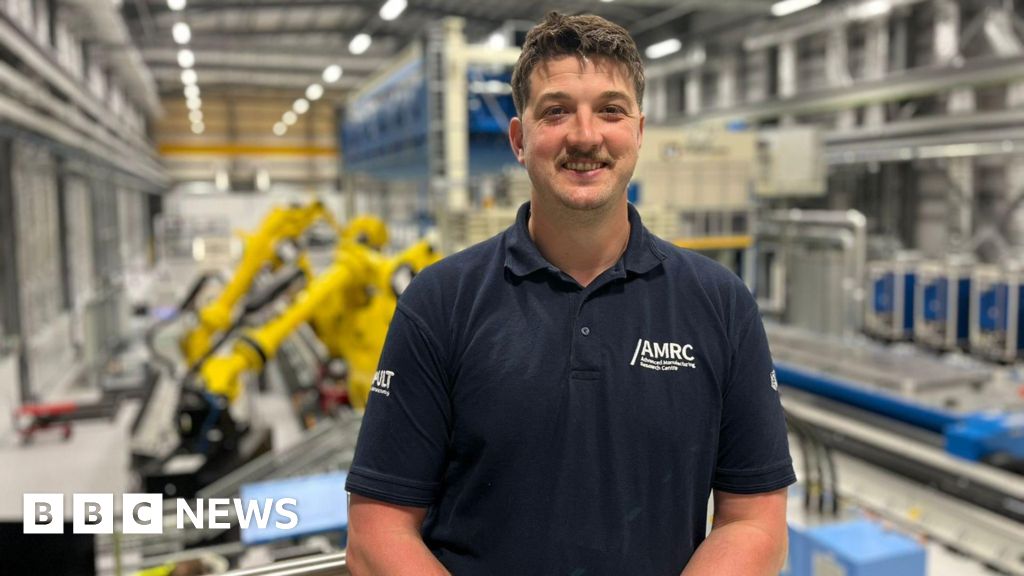
The Advanced Manufacturing Research Centre celebrates 25 years of operation since transforming the former Orgreave coking works into a global tech hub.
Industrial Transformation in Rotherham
The site located near Rotherham has undergone a profound structural change over the last quarter-century. Once the location of the Orgreave colliery and coking works, the area now serves as a focal point for high-tech industrial research and development.
The transition from heavy coal-based industry to advanced manufacturing represents a significant shift in the regional economy. This evolution was marked by the establishment of the Advanced Manufacturing Research Centre (AMRC), which has since expanded its footprint through several key facilities.
A Milestone for Manufacturing Research
The 25th anniversary coincides with the opening of a new facility at the centre, signaling continued investment in the sector. The AMRC functions as a bridge between academic research and industrial application, allowing companies to test new technologies in a controlled environment.
Key developments at the site include:
- The repurposing of former industrial land for high-specification laboratories.
- The integration of cutting-edge technological research into local manufacturing supply chains.
- The expansion of physical infrastructure to accommodate growing technical demands.
Since its inception, the centre has focused on addressing complex engineering challenges. By hosting collaborative projects, the AMRC helps businesses implement new processes and improve efficiency before full-scale production begins.
Regional Economic Impact
The development of the AMRC has provided a new economic pillar for the South Yorkshire region. By replacing traditional heavy industry with high-value engineering roles, the centre has helped reshape the local labor market.
The facility's growth demonstrates the viability of specialized research hubs in driving regional innovation. As the centre moves into its next quarter-century, the recent expansion of its physical campus remains a central component of its operational strategy.