AI and Drone Technology Act as First Line of Defense Against Disasters
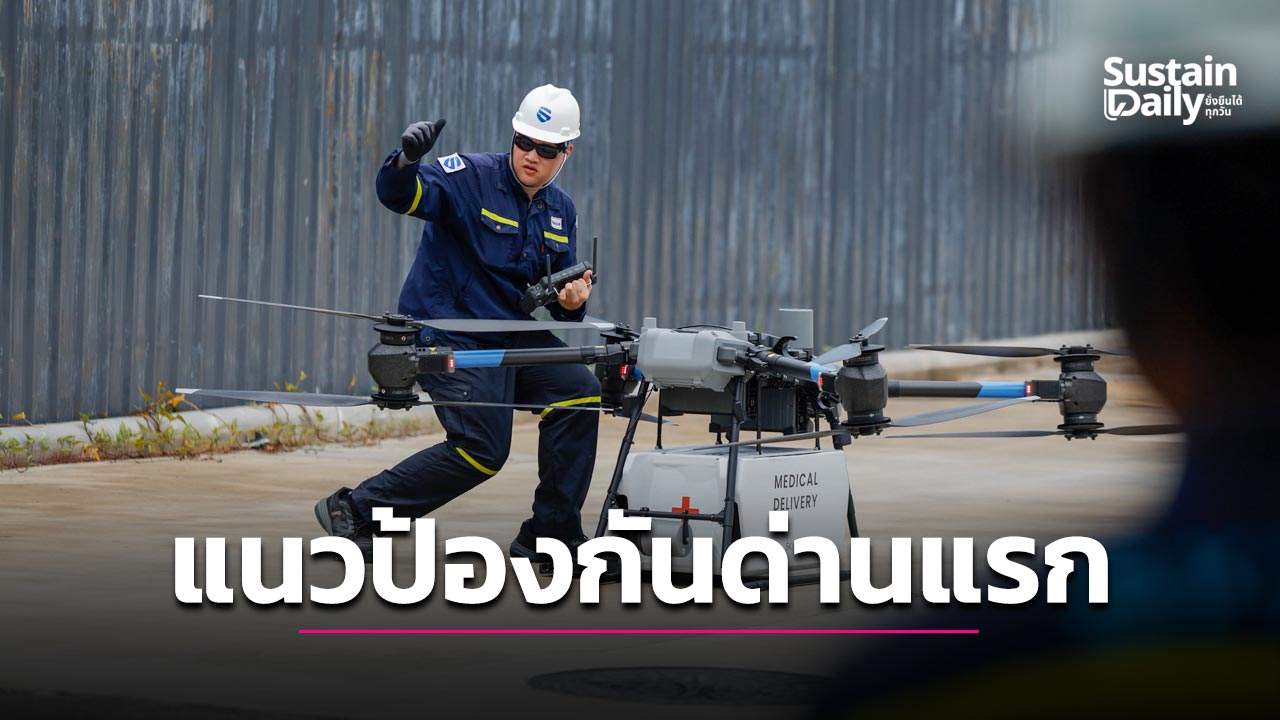
Advanced drone and AI technologies serve as a critical first line of defense to detect anomalies and improve disaster response readiness.
Early Detection Systems
New technological integrations are transforming how emergency services identify environmental threats. By utilizing Artificial Intelligence (AI) alongside specialized unmanned aerial vehicles, authorities can detect irregularities in real-time before they escalate into major catastrophes.
These automated systems act as a primary monitoring layer, providing rapid data collection that human patrols might miss. This speed allows relevant agencies to prepare contingency plans and deploy resources to high-risk areas more efficiently.
The Role of ARV Technology
The ARV organization has successfully integrated these advanced tools into their existing safety frameworks. Their approach focuses on utilizing high-tech hardware to mitigate risks and provide comprehensive oversight during unpredictable weather events or natural disasters.
The deployment of these technologies includes several key operational advantages:
- Rapid Anomaly Detection: Identifying heat signatures, structural weaknesses, or rising water levels instantly.
- Real-time Data Streaming: Providing live visual feeds to command centers for informed decision-making.
- Risk Mitigation: Allowing for proactive measures that reduce the potential impact on human life and infrastructure.
Enhancing Emergency Preparedness
Traditional disaster management often relies on reactive measures once an event has occurred. However, the shift toward predictive technology via AI-driven drones enables a transition toward proactive prevention.
By monitoring critical zones continuously, these systems ensure that unexpected incidents are met with immediate responses. This technological shift aims to minimize the window between the onset of a disaster and the arrival of emergency services.