
India: Child Malnutrition Declines, Lifestyle Diseases Rise in NFHS-6
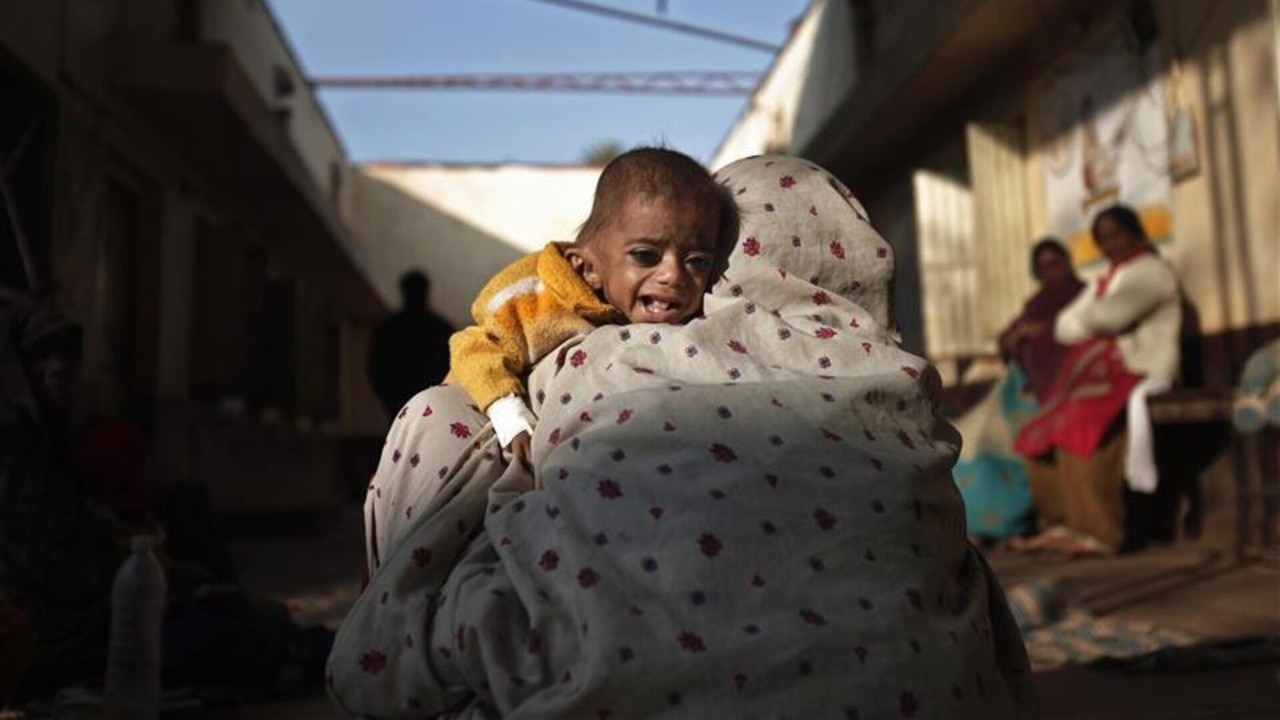
New data from India’s National Family Health Survey (NFHS-6) reveals a complex picture of public health, showing improvements in child nutrition alongside a concerning rise in lifestyle-related illnesses.
The survey, released today, indicates a decrease in both child stunting and severe wasting, suggesting progress in addressing childhood malnutrition. Gains have also been observed in immunisation rates and maternal healthcare, reflecting positive developments in these crucial areas.
However, the NFHS-6 also highlights a worrying trend: a significant increase in obesity and non-communicable diseases such as diabetes and heart disease. This dual burden – the continued prevalence of childhood malnutrition alongside the growing threat of lifestyle diseases – presents a significant challenge for India’s public health system.
The NFHS is a large-scale, nationally representative household survey conducted in India. It collects data on a wide range of health indicators, including nutrition, reproductive health, family planning, and child health. The survey is conducted periodically, providing valuable insights into the health and well-being of the Indian population. NFHS-6 represents the latest assessment of these trends, providing a comprehensive overview of the nation's health status. The findings are expected to inform policy decisions and targeted interventions to improve public health outcomes across the country.
Further analysis of the NFHS-6 data is ongoing, and detailed reports are expected to be released in the coming months. These reports will provide a more in-depth understanding of the factors contributing to these trends and inform strategies for addressing the challenges ahead.


